
Bengaluru and Erode, India — working with clients in other time zones

Consumer & retail

Retail

Most store visits start with a branch's Google listing. We keep each listing, sale date and WhatsApp catalogue current so shoppers make the trip.

The problem

What makes this sector different

A shopper chooses between you and the store down the road on a phone, checking that branch's Google Maps listing for hours, reviews and images before stepping out. End-of-season sales clear one range before the next arrives, so a sale announced a week late leaves stock on the rails. Pre-packed goods carry an MRP inclusive of all taxes under the Legal Metrology (Packaged Commodities) Rules 2011, and when a GST rate changes, price tags, shelf talkers and online listings all need checking against it. Multi-store and franchise owners must keep every branch consistent while marketplaces and quick-commerce apps chase the same basket.

How the decision gets made. A shopper shortlists stores on Google Maps or Instagram, asks about price, size or stock on WhatsApp, then visits to see, touch or try before paying at the counter. Bigger purchases such as appliances, furniture or jewellery take more than one visit and often wait for a no-cost EMI offer at the counter or the next end-of-season sale.
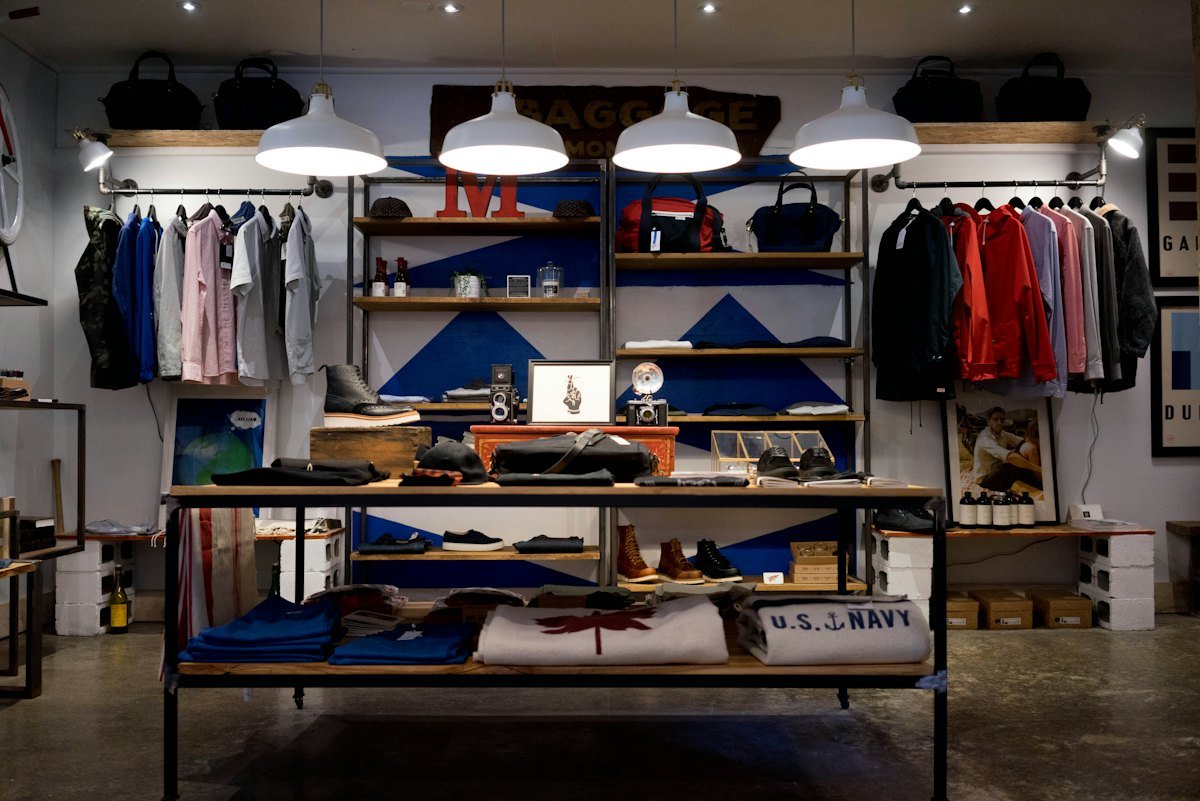
Clothing boutique interior with shelves of folded garments, hanging rails and pendant lights

Services in this sector

What each discipline does for retail

A retail sale often starts on a branch's Google listing and ends at its billing counter. Billing data then shows which listing, sale or message brought the customer in.

Branding & Identity

Every branch looks and sounds like one business

A customer who visits two of your stores, or a franchisee's, should see no difference in signage, carry bags, price tags or the way staff reply on WhatsApp. We write brand guidelines that store managers and franchisees actually use, covering fascia, window displays and shelf talkers. Price tags are laid out so a sale price never contradicts the MRP printed on pre-packed goods. End-of-season sale kits arrive as print-ready files for every branch.

  • Retail brand guidelines covering fascia, signage, carry bags and price tags
  • Franchisee and store manager kit with approved templates and usage rules
  • End-of-season sale kits in poster, shelf talker and social formats
About branding & identity

Web Design & UI/UX

Shoppers find the nearest store and what it stocks

A retail website often decides whether a shopper makes the trip. We build a store locator with one page per branch, showing hours, map, parking, phone number and the ranges it carries. Product pages offer reserve-in-store or click-and-collect where your stock system allows. An online store shows MRP, net quantity and country of origin on each product, plus the seller and grievance officer details the Consumer Protection (E-Commerce) Rules 2020 require.

  • Store locator with an individual page and local schema markup for each branch
  • Product catalogue with reserve-in-store or click-and-collect options
  • Online store pages carrying MRP declarations, return terms and grievance officer details
About web design & ui/ux

Digital Marketing

Store-level listings and sale dates that bring footfall

Shoppers search for a product plus 'near me', so we work store by store. Each branch's Google Business Profile carries its own end-of-season sale dates, holiday hours and new-arrival images, and Google Ads run within a radius of each store. New stock goes into each store's WhatsApp Business catalogue and reaches customers who opted in at the billing counter. Every sale offer carries its own code, so till redemptions can be counted.

  • Store-level Google Business Profiles with sale dates, holiday hours and new-arrival images
  • Radius-targeted Google Ads with call and direction tracking per store
  • WhatsApp Business catalogue of new arrivals per store, with opt-in captured at the billing counter
About digital marketing

Digital Transformation

Loyalty numbers that leave the billing software

Mobile numbers given at the billing counter stay in the billing software, so the end-of-season sale message goes to everyone or no one. We connect your point-of-sale system to a CRM that records the WhatsApp consent given on the loyalty sign-up, ready for Digital Personal Data Protection Act 2023 duties as the DPDP Rules 2025 phase them in. Purchase history then decides who hears about a markdown, restock or birthday offer.

  • Point-of-sale to CRM integration with a loyalty programme
  • Markdown, restock and birthday messages over WhatsApp and DLT-registered SMS
  • Where and when each customer agreed to WhatsApp messages
About digital transformation

Our approach

How we work in retail

01

We create and verify a Google Business Profile for every store, with correct hours, holiday timings, end-of-season sale dates and a link to that branch's own page.

02

We build a store locator with a separate page per location, carrying the address, parking, ranges stocked and a WhatsApp button that reaches that store's staff.

03

We plan each end-of-season sale from your stock position, so ads, WhatsApp broadcasts and in-store posters announce markdowns on the ranges you actually need to clear.

04

We link offer codes and loyalty numbers to your billing software, so campaigns are judged by what reaches the till rather than by website visits alone.

Measurement

What we report on in this sector

Direction requests and calls per store

Offer codes redeemed at the billing counter

Repeat purchases by loyalty members

Questions

Retail marketing, answered

We have several stores. Does each one need its own Google Business Profile?
Yes. Google lists each physical location as a separate business profile, and a shopper searching nearby is shown the closest branch, not the head office. We set up and verify each profile with that store's address, hours, images and sale dates, so each listing shows the timings of the branch a shopper is actually visiting.
Can you show whether online campaigns actually bring people into the store?
Partly, and we are clear about the limits. We track direction requests, calls and WhatsApp chats per branch, and give each campaign its own offer code so redemptions at the billing counter can be matched to it. A walk-in who never mentions an offer cannot be traced, so we report what can be measured and say plainly what cannot.
Should we build an online store, or keep taking orders on WhatsApp?
It depends on how many orders you take and how many products you carry. A WhatsApp Business catalogue suits a small range and regular local customers, while an online store makes sense once you need payments, delivery tracking and a searchable catalogue. We often start with WhatsApp and a store locator and build the online store when order volume calls for it.

Next step

Working in retail?

Send us the problem in a paragraph. We will reply within one working day with a straight answer on whether we are the right agency for it.

Call +91 93451 90983 WhatsApp us